
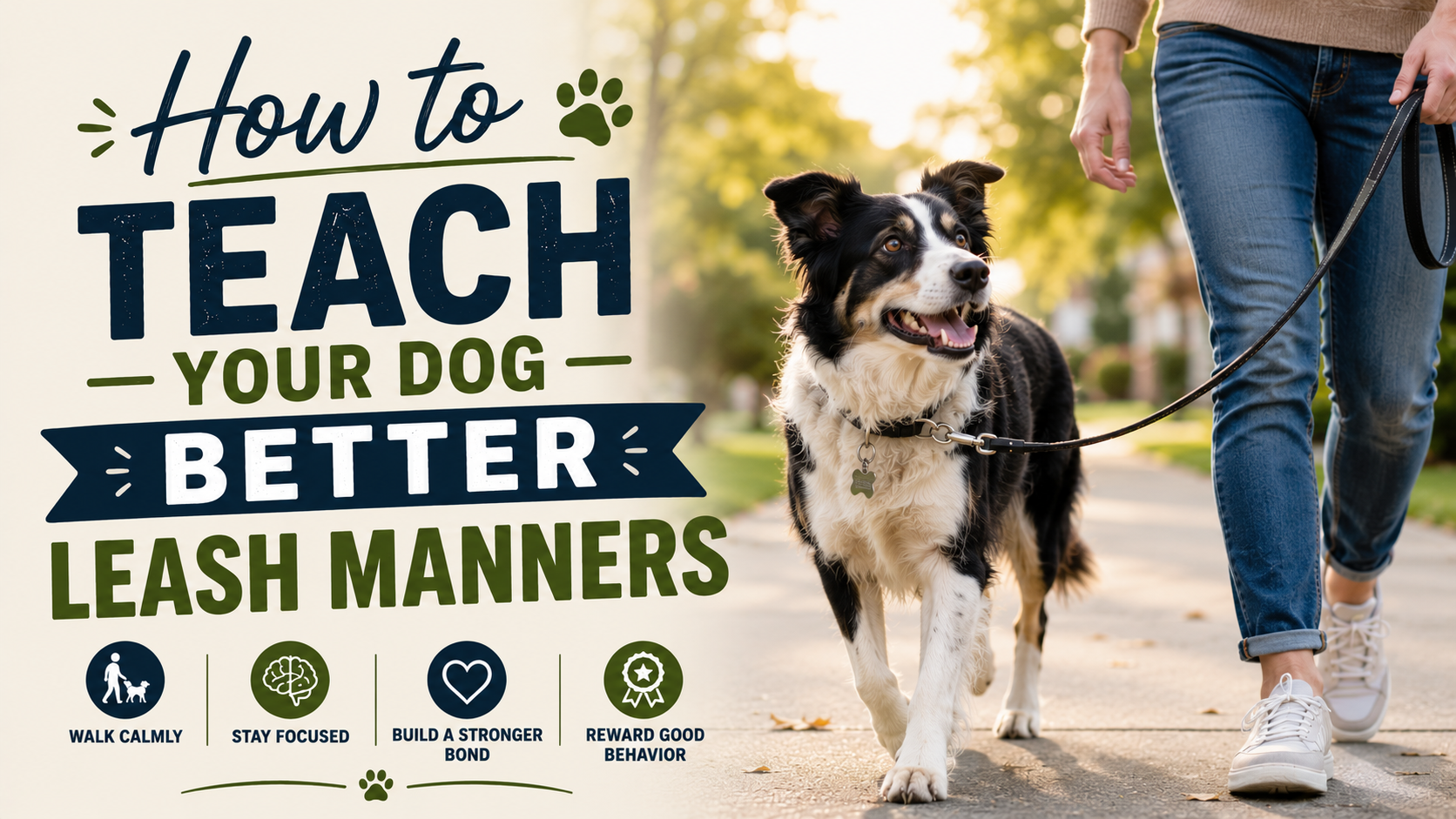
Walking your dog should be one of the most enjoyable parts of pet ownership. It’s an opportunity to get outside, exercise together, and strengthen the bond you share. Unfortunately, for many dog owners, walks become frustrating because their dog constantly pulls, lunges, zigzags, or refuses to pay attention.
The good news is that leash manners can be taught. With patience, consistency, and the right training techniques, nearly every dog can learn to walk politely beside their owner.
At AZ Balanced K9, we believe that leash training is about much more than stopping pulling. It’s about teaching your dog to stay engaged, remain calm around distractions, and enjoy walking together as a team.
Why Leash Manners Matter
Good leash manners aren’t just about convenience—they’re also about safety.
A dog that walks politely is less likely to pull their owner into traffic, knock someone over, or become tangled around other people or pets. Calm leash behavior also makes everyday activities like neighborhood walks, hiking, visiting parks, or going to pet-friendly stores much more enjoyable.
For larger breeds especially, teaching proper leash skills early can prevent years of difficult walks.
Why Dogs Pull on the Leash
One of the biggest misconceptions is that dogs pull because they’re being stubborn or trying to dominate their owners.
In reality, most dogs pull simply because it works.
If your dog pulls toward something interesting and eventually reaches it, they’ve learned that pulling gets them where they want to go. Every successful pull reinforces the behavior, making it more likely to happen again.
Dogs also naturally walk faster than humans and are excited to explore new smells, sounds, and sights.
Fortunately, these habits can be changed through consistent training.
Start in a Low-Distraction Environment
Before expecting your dog to walk perfectly around busy streets or crowded parks, begin practicing in a quiet area.
Your backyard, driveway, or even inside your home can provide excellent opportunities to teach the basics.
Without constant distractions, your dog can focus on learning what you expect before gradually progressing to more challenging environments.
Setting your dog up for success early makes future training much easier.
Choose the Right Equipment
Having the proper equipment can make leash training safer and more comfortable for both you and your dog.
A properly fitted collar or harness and a standard six-foot leash are often ideal for everyday training.
Avoid retractable leashes while teaching leash manners. Because they encourage constant tension, they can unintentionally teach dogs that pulling is acceptable.
Comfortable, well-fitting equipment allows you to communicate more clearly while keeping your dog safe.
Reward the Behavior You Want
Instead of focusing only on correcting pulling, make an effort to reward your dog whenever they’re walking calmly beside you.
Praise, treats, toys, or verbal encouragement can all reinforce good choices.
The more your dog learns that staying close to you results in positive outcomes, the more likely they are to repeat the behavior.
Consistency is far more important than using large rewards. Frequent encouragement helps your dog understand exactly what earns your attention.
Stop Rewarding Pulling
Many owners unknowingly reinforce pulling by continuing to walk while their dog strains against the leash.
If your dog pulls forward and you continue moving, they’ve learned that pulling works.
Instead, pause when the leash becomes tight.
Once your dog returns their attention to you or creates slack in the leash, calmly continue walking.
Over time, your dog begins to understand that loose-leash walking moves the walk forward—not pulling.
Teach Your Dog to Check In
A dog that frequently checks in with their owner is much easier to walk.
Encourage your dog to look at you during walks by rewarding eye contact and calm attention.
Simple exercises like changing directions, praising voluntary check-ins, or asking for a brief sit before continuing help your dog remain mentally connected throughout the walk.
The goal isn’t to have your dog stare at you constantly but to build a habit of paying attention even while exploring.
Practice Around Gradual Distractions
Once your dog understands the basics, slowly introduce more challenging environments.
Practice in places with:
- Other people
- Dogs at a distance
- Bicycles
- Joggers
- Parks
- Neighborhood sidewalks
If your dog becomes overwhelmed, simply move farther away from the distraction until they’re able to focus again.
Gradually increasing difficulty builds confidence without creating frustration.
Stay Calm and Consistent
Dogs are excellent at reading human emotions.
If walks become stressful, your dog may become anxious or excited as well.
Maintain a calm, confident attitude throughout your training sessions. Celebrate progress, remain patient with setbacks, and remember that learning takes time.
Short, successful training sessions are often more productive than long walks filled with frustration.
Keep Training Sessions Fun
Leash training shouldn’t feel like a chore for either you or your dog.
Mix short training exercises with opportunities for your dog to sniff, explore, and enjoy their surroundings.
Allowing appropriate sniffing breaks provides valuable mental stimulation while making the walk rewarding for your dog.
Finding a balance between structure and freedom helps create enjoyable walks that both of you look forward to.
Common Leash Training Mistakes
Many owners unintentionally slow their dog’s progress by making a few common mistakes.
Being Inconsistent
If pulling is allowed sometimes but corrected other times, your dog receives mixed messages.
Everyone who walks your dog should follow the same expectations and techniques.
Expecting Immediate Results
Leash manners take practice.
Dogs learn through repetition, so don’t expect perfect walks after only a few sessions.
Celebrate small improvements along the way.
Training Only Occasionally
Consistency is the key to success.
Practicing good leash habits every day—even for just a few minutes—creates faster, more lasting results than occasional long training sessions.
Forgetting to Reward Good Behavior
It’s easy to notice when your dog pulls, but don’t forget to recognize when they’re doing everything right.
Positive reinforcement helps your dog understand exactly which behaviors you want repeated.
Every Dog Learns at Their Own Pace
Some dogs naturally walk calmly, while others require more patience and practice.
Breed, age, personality, previous experiences, and energy level all influence how quickly your dog learns.
The important thing is to remain consistent and avoid comparing your dog’s progress to others.
Steady improvement over time is far more valuable than expecting perfection overnight.
Professional Training Can Help
If your dog has developed strong pulling habits, reacts to other dogs, or becomes difficult to control on walks, working with a professional trainer can make a significant difference.
Professional guidance helps identify the root cause of leash issues while providing customized techniques that fit both your dog’s personality and your lifestyle.
Many owners are surprised at how quickly consistent, structured training improves their daily walks.
Enjoy Every Walk Together
Walking should be something both you and your dog look forward to.
With patience, consistency, and clear communication, your dog can learn to walk politely while staying engaged and confident in a variety of environments.
At AZ Balanced K9, we’re passionate about helping owners build stronger relationships with their dogs through effective, balanced training. Whether you’re starting with a young puppy or helping an older dog develop better habits, teaching proper leash manners creates safer, more enjoyable walks and strengthens the bond you’ll share for years to come.